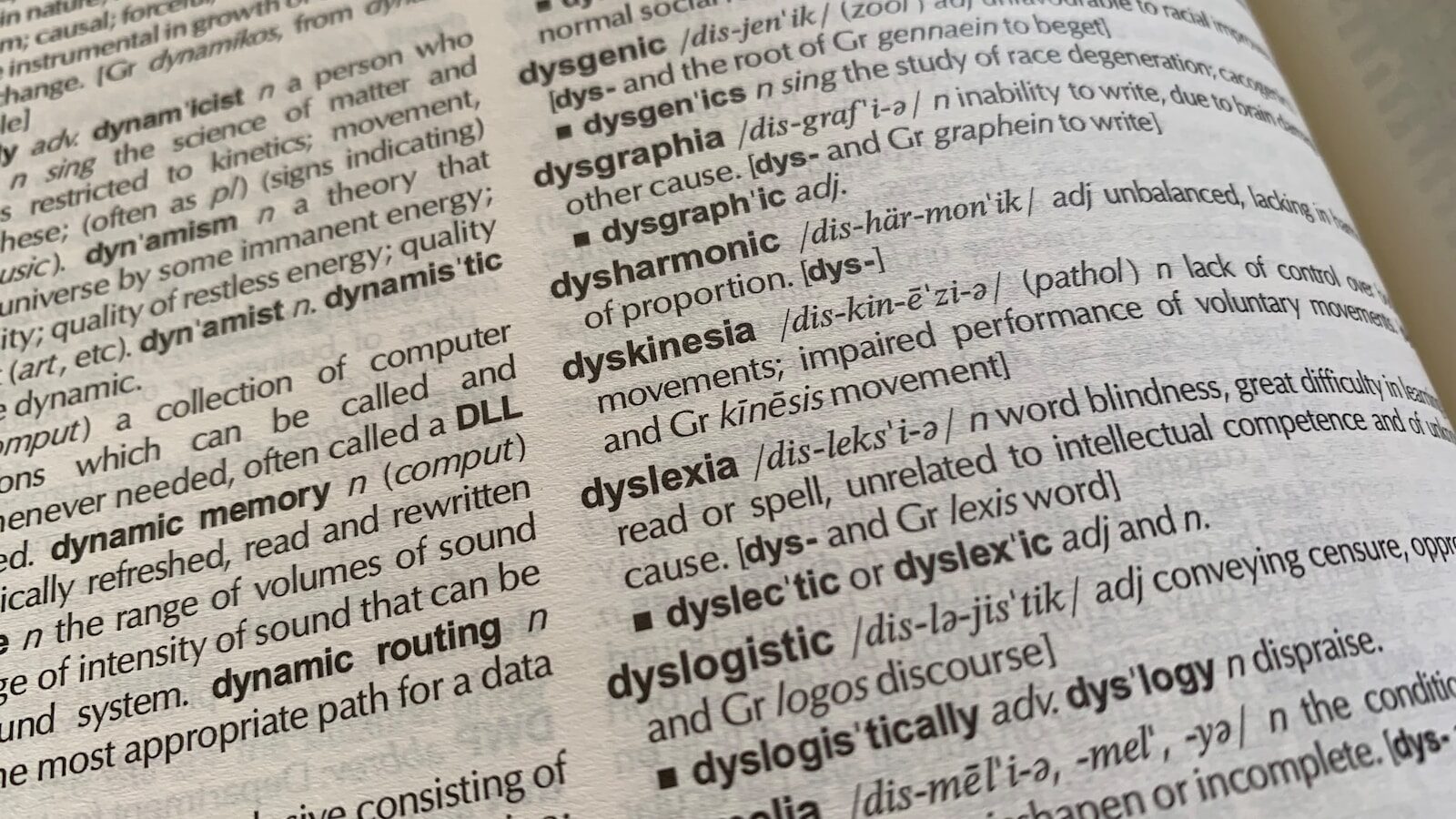
When school feedback may indicate dyslexia
Cherrida Crew Team Lead for Specific Learning Difficulties at Evolve Psychology
Because schools place such a strong focus on literacy, parents usually receive regular updates about their child’s progress in reading and writing. In many cases, any concerns are simply part of the normal variation in development, with children progressing at different rates. However, if a teacher raises issues you were not expecting, it can lead you to wonder whether there is more to it.
What is dyslexia?
Dyslexia is a specific learning difficulty (SpLD) that affects a person’s ability to read, spell, write and process written language.
It may explain ongoing difficulties with reading and writing. Around one in ten people are believed to be dyslexic, though far fewer are formally diagnosed. This means that many children and adults may experience literacy difficulties without realising what lies behind them.
Signs of dyslexia
- Reading slowly and with effort
- Difficulty decoding unfamiliar words
- Confusing similar-looking letters
- Inaccurate spelling
- Disorganised or limited written work
- Difficulty remembering sequences or following multi-step instructions
- Challenges with phonological awareness (identifying or manipulating sounds)
- Difficulties with working memory, organisation, and time management
School feedback that may suggest dyslexia
Dyslexia is not always recognised in school, as its signs can be subtle and easily overlooked in a busy classroom.
It may be worth looking into dyslexia further if a teacher says your child:
- Struggles to concentrate in class, though you do not see this at home
This may be a sign that a child is disengaging from reading or writing because they find it difficult. It can be helpful to ask whether such ‘zoning out’ happens mainly during literacy tasks rather than across the school day more generally.
- Takes longer than classmates to complete reading and writing tasks
This can indicate that these tasks are requiring more effort than they should, even if they do eventually complete it.
- Does not consistently follow spoken instructions
Although mainly associated with literacy, dyslexia can also affect executive functioning skills, such as remembering information and organising tasks.
- Shows a clear difference between verbal ability and written work
Speaking confidently in class but finding it much harder to express the same ideas on paper.
- Becomes frustrated or irritable in the classroom in a way that seems out of character
This can be a sign that the work feels overwhelming. It is particularly relevant if this behaviour is specifically in response to reading and writing tasks.
Recognising dyslexia matters
Ascertaining whether your child has dyslexia can make an important difference both academically and emotionally:
- Confidence and self-esteem
It can help a child to understand that literacy difficulties are not a reflection of underlying ability, and to feel reassured that with the right support they can still succeed and achieve their goals.
- Access to the right support
Identifying dyslexia can help to highlight help including assistive technology such as text-to-speech software and dictation tools.
- Exam adjustments
It may be important for your child to have adjustments in place that help them show what they know in exams, particularly at key stages such as GCSEs. This may include extra time, a reader or computer reader, text-to-speech support or a scribe.
- Co-occurring conditions
Dyslexia often overlaps with other conditions, particularly ADHD. Recognising this can help families and schools to be alert to wider additional needs and put the right support in place.
Unrecognised literacy difficulties can affect a child’s experience of education, later opportunities and their sense of self-worth. Spotting the signs early can lead to earlier support and better outcomes.
More information is available about Evolve’s dyslexia assessment service here: https://evolvepsychology.com/services/dyslexia-dyscalculia-assessments/dyslexia