Nord Anglia Education Introduces Minecraft‑Powered Learning Across Its Global Schools
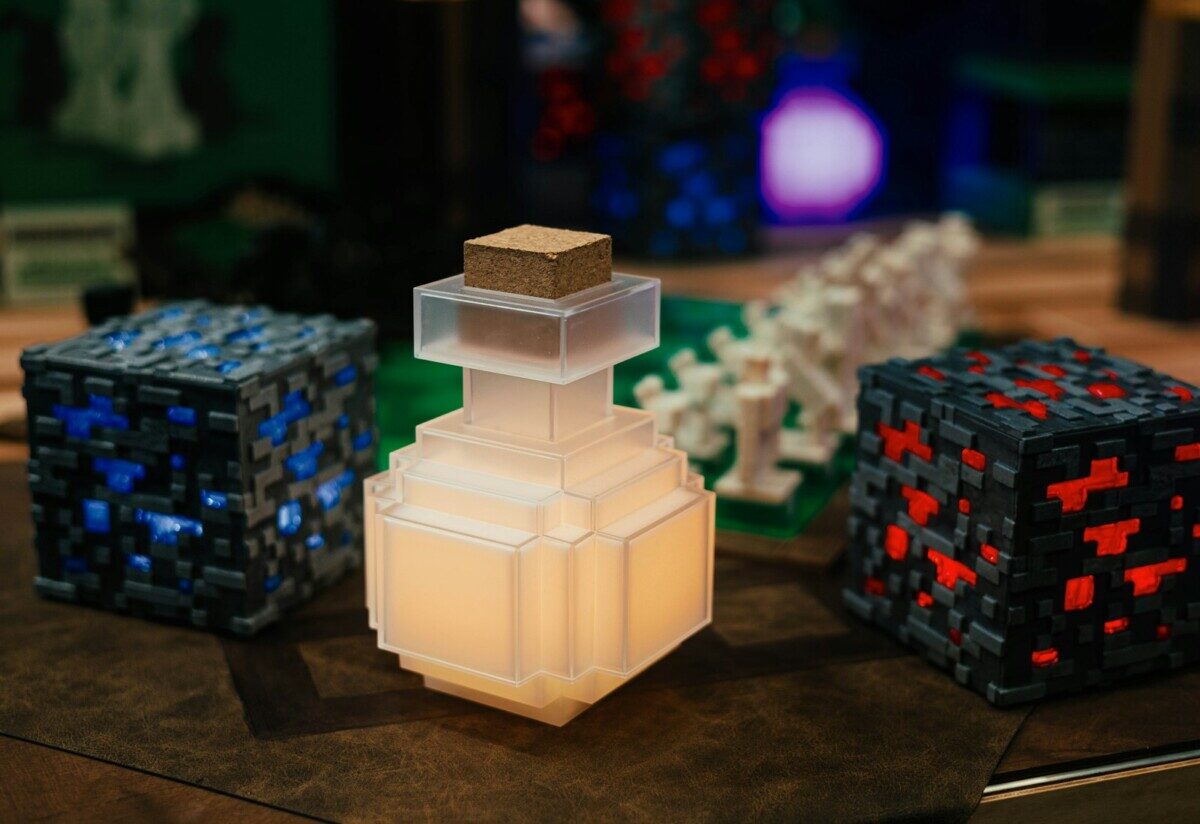
Nord Anglia Education has launched a new digital learning initiative that brings Minecraft Education into classrooms across its worldwide network of schools, giving students a fresh way to collaborate, problem‑solve and apply their learning to real‑world challenges.
The organisation is the first international schools group to connect students globally through Minecraft Education. Pupils are now working together in shared virtual worlds, teaming up with classmates in other countries to design, build and test solutions as part of structured learning projects.
A New Way to Learn Through Play
The first project, Building Community, developed through Nord Anglia’s collaboration with MIT, invites students to design their own communities inside Minecraft’s virtual environment. The activity encourages creativity while strengthening skills such as teamwork, communication and empathy.
Teachers have designed each experience to help students apply classroom knowledge in practical ways, build digital confidence and develop future‑ready skills including coding and problem‑solving.
Connected Through Global Campus
Students access Minecraft Education through Global Campus, Nord Anglia’s online learning platform linking more than 100,000 learners worldwide. New dedicated servers allow students to return to their projects over time, refine their ideas and continue collaborating in a secure shared space.
The first schools taking part are located in the United States, Mexico, the Dominican Republic and Ecuador, with more schools across the group set to join.
A Growing Digital Learning Ecosystem
Nord Anglia says the initiative reflects its wider commitment to innovative teaching and personalised learning. By combining academic foundations with interactive technology, the organisation aims to help students develop resilience, creativity and global awareness.
With 89 schools in 37 countries, Nord Anglia continues to expand its digital learning opportunities, giving students new ways to connect, explore and build skills that support their future pathways.