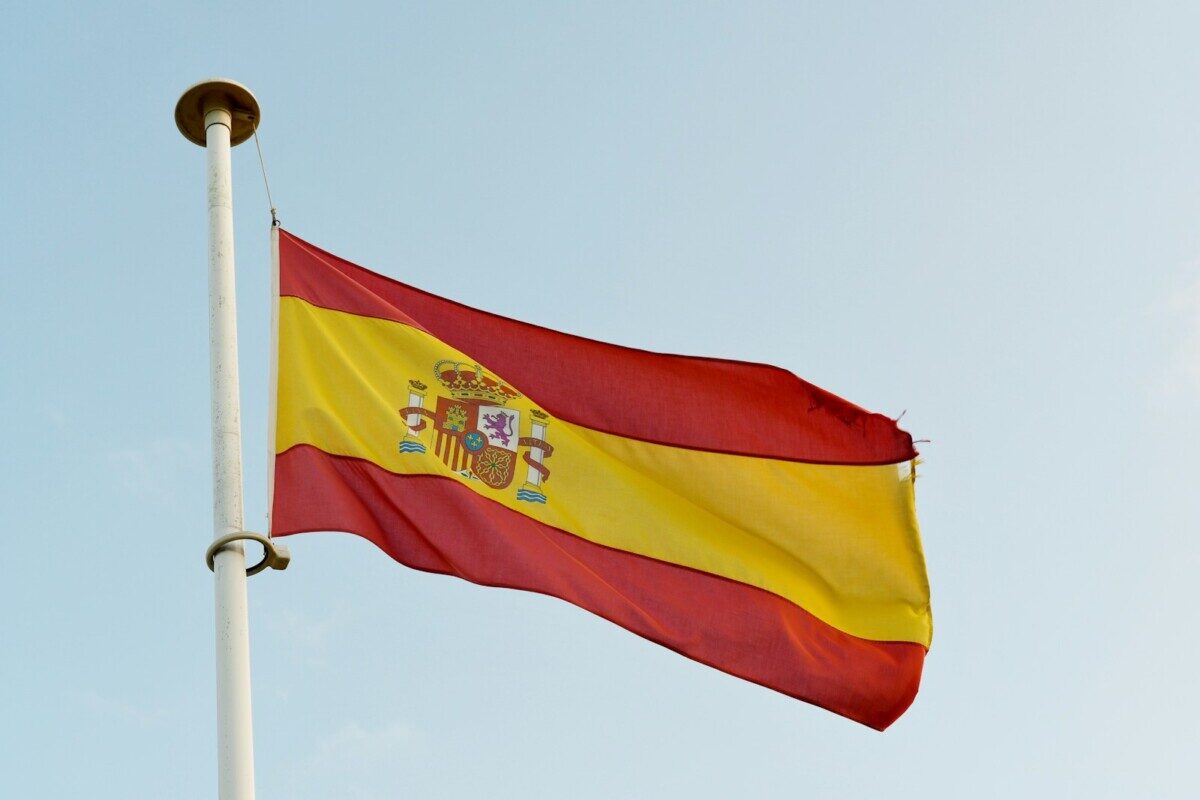
Why Spanish is Overtaking French in UK Primary Schools (and What It Means for MFL Provision)
For decades, French has been the default modern foreign language at UK primary schools. That is changing. Across the country, headteachers and MFL coordinators are reviewing their language provision, and many are concluding that Spanish is the more strategic choice for the children in front of them.
The reasons behind the shift are partly pragmatic, partly demographic and partly to do with what parents, pupils and feeder secondary schools now expect from primary languages. For schools weighing the question, the issue is not really “French or Spanish” in the abstract; it is whether the chosen language can be taught well, sustained over four years, and handed off cleanly to secondary colleagues. This piece looks at why Spanish is rising, what the practical considerations are for schools making the move, and what good Spanish provision actually looks like at primary level.
Why schools are choosing Spanish
Several factors are driving the gradual shift away from French as the default primary language.
Global reach. Spanish has more native speakers than English and is an official language in more than 20 countries. For pupils growing up in 2026, daily exposure to Spanish through music, streaming, social media, sport and family travel is far higher than it was a generation ago.
Phonetic accessibility. Spanish is broadly phonetic, which means what children read on the page tends to match what they hear. For non-specialist teachers and for early readers, that consistency makes Spanish noticeably less intimidating than French, where pronunciation rules are less predictable and silent letters are common.
Resource availability. A decade ago, schools choosing Spanish faced a thinner pool of UK-targeted classroom resources. That gap has now closed. Dedicated primary Spanish schemes, native-speaker audio, knowledge organisers, songs and assessment materials are all readily available, often as part of comprehensive subscription platforms.
Secondary school alignment. While French still leads in many secondary languages departments, Spanish has been one of the fastest-growing GCSE languages for several years. Primary schools that introduce Spanish are increasingly finding that pupils can continue with it at KS3 rather than restart from scratch.
The challenge for non-specialist teachers
The biggest practical hurdle is staffing. Most primary class teachers are not language specialists. A teacher who studied French to GCSE in the late 1990s may now be expected to deliver Spanish to Year 4 with limited training and not much time to plan from scratch.
Schools that try to deliver Spanish without a structured platform tend to run into the same problems: inconsistent pronunciation, vocabulary that does not build year-on-year, gaps in assessment, and a small group of confident teachers carrying the subject for everyone else. Two or three years in, momentum stalls and the language slides down the priority list.
This is why the choice of curriculum scheme matters more than the choice of language itself. A well-built Spanish Scheme of Work gives non-specialist staff everything they need to deliver lessons confidently from EYFS through to Year 6: planned units, native-speaker audio, interactive whiteboard materials, differentiated worksheets, end-of-unit assessments and clear progression mapped to the DfE Languages Programme of Study. Without that scaffolding, even strong subject leads find Spanish difficult to sustain across the whole school.
Practical considerations for schools transitioning from French
For schools currently teaching French and considering a switch, a few operational points are worth thinking through early.
- Vocabulary mapping. Children who have already covered greetings, numbers and colours in French will pick up the same topics in Spanish quickly, but the phonics is different and needs explicit teaching from the start. Do not assume prior French experience accelerates everything.
- Year-group sequencing. Most schools find it easier to roll Spanish out year by year, starting with the youngest pupils, rather than switching the whole school in one go. That gives existing French knowledge time to land in older year groups before the change reaches them.
- Parental communication. Parents who learned French at school sometimes need reassuring about why the school is moving to Spanish. A short letter, an assembly or a paragraph in the school newsletter explaining the reasoning usually settles concerns quickly.
- Secondary liaison. Talk to the schools your Year 6 pupils typically feed into. If they offer Spanish at KS3, the case for switching strengthens considerably. If they teach French, you can still make the change, but plan for the transition message you will give parents and the secondary MFL department.
- Staff CPD. Even with a strong scheme of work, classroom teachers benefit from a half-day refresh on Spanish phonics and core classroom phrases. Most providers include CPD as part of a school-wide subscription.
What good primary Spanish looks like at KS2
By the end of Key Stage 2, the National Curriculum expects pupils to listen and respond to spoken language, engage in short conversations, read simple written texts, write short pieces from memory, and show some understanding of grammar including verb forms and gender.
In practical terms, a Year 6 child who has had four years of well-taught Spanish should be able to:
- Introduce themselves, their family and their interests
- Count to 100, give the date, and describe the weather
- Order food in a café or shop using full sentences
- Describe their classroom, school day and hobbies
- Read a short paragraph aloud with reasonable pronunciation
- Write a short personal description from memory
Cultural content matters too. Spanish is not just the language of Spain. High-quality primary schemes typically include units on Latin American countries, festivals such as Día de los Muertos and Las Fallas, traditional foods, music and geography. That cultural breadth is often one of the strongest selling points when communicating the move to parents and governors.
What schools should look for in a Spanish provider
When choosing a scheme, the practical checklist most MFL coordinators apply is straightforward:
- Native-speaker audio embedded throughout, professionally recorded
- Clear progression from EYFS or Year 3 through to Year 6, with knowledge built deliberately rather than topic-hopped
- Materials usable by non-specialist teachers without significant extra preparation
- Built-in formative and summative assessment, with progress tracking that gives senior leaders visible data
- Curriculum-compliant, with mapping to the relevant national framework (English National Curriculum, Scottish Curriculum for Excellence or Curriculum for Wales)
- Affordable on a typical primary budget, ideally with whole-school access for a single annual fee
Among the platforms used in this space, Language Angels has become one of the most widely adopted, currently used in over 6,000 UK schools. Alternatives include Kapow Primary, Twinkl and various free DfE-supported networks. The right choice depends on school size, budget, and how much existing MFL expertise sits within the staff team.
Final thoughts
The shift from French to Spanish at primary level is not a passing trend. It reflects genuine changes in what children encounter outside school, what secondary schools are increasingly teaching, and what is now realistic to deliver well in a primary classroom by non-specialist staff.
For schools weighing the move, the deciding factor is usually not the language itself. It is whether the chosen scheme of work can support every teacher to deliver a confident lesson every week for four years. Get that right, and Spanish at primary school becomes one of the most rewarding subjects on the timetable. Get it wrong, and the language slips backwards regardless of which one you picked.