The Importance of First Aid Training
On a busy UK construction site, we’re obsessed with safety. We’ve got the RAMS, the inductions, the hard hats, and the high-vis. But even on the most tightly run projects, the reality is that construction remains one of the highest-risk industries in the country. When things go wrong in our trade, they tend to go wrong fast, and they tend to be serious.
For a tradesman, first aid training shouldn’t be seen as just another ticket to get on-site or a way to kill a Tuesday in a classroom. It’s about looking out for your mates. In an environment involving heavy plant, power tools, and heights, a first aider is often the only thing standing between an accident and a fatality. Boss Training provides emergency first aid at work courses to ensure you are equipped with the knowledge and skills required to keep your team safe.
Seconds Count When the Pressure is On
The nature of construction injuries means that time is rarely on our side. While we rely on the emergency services, a site in a remote location or a congested city centre can be difficult for an ambulance to access quickly.
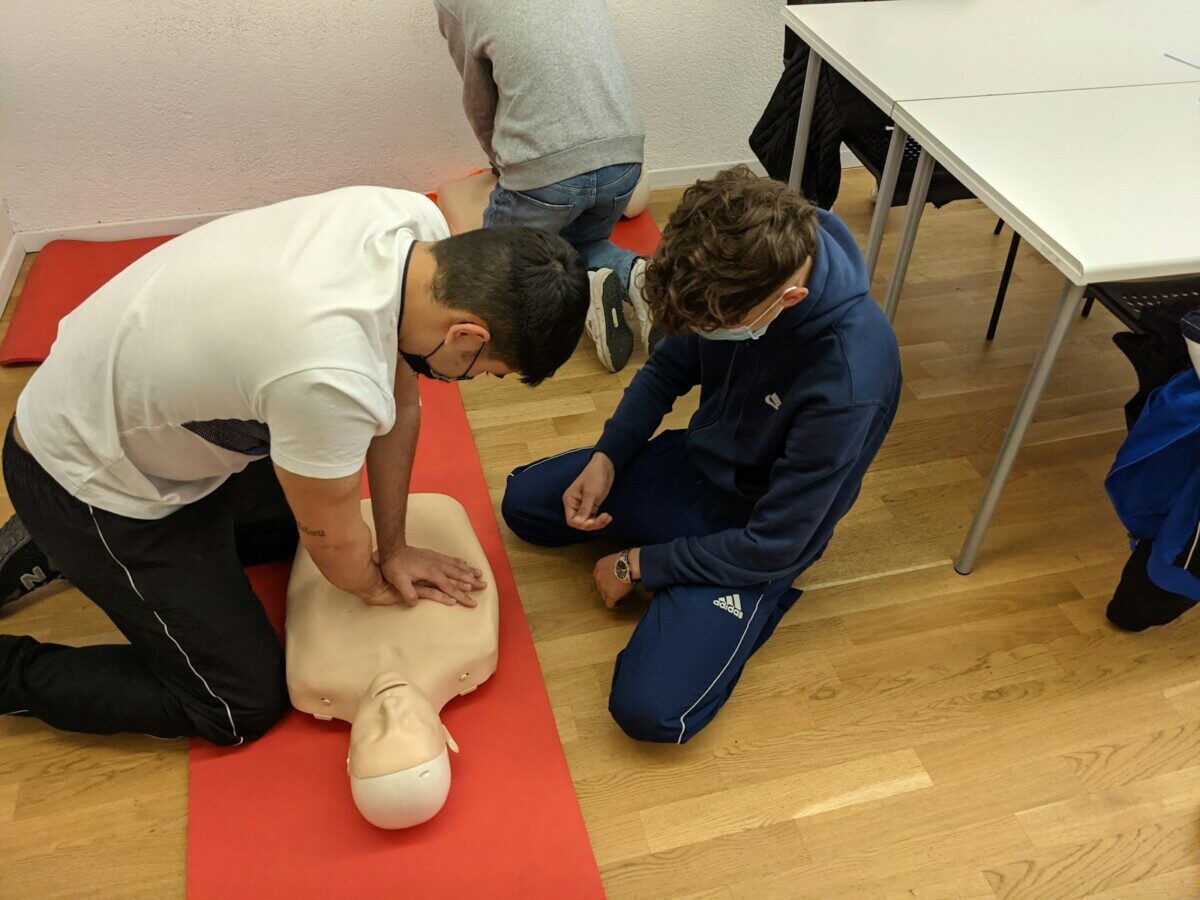
Consider a crush injury or a deep laceration from a circular saw. Severe arterial bleeding can become fatal in just a few minutes, well before the paramedics have even cleared the site gates. Knowing how to apply a tourniquet or use packed dressings isn’t just good to know; it’s the difference between a lad going home to his family or not. Similarly, if a colleague suffers a cardiac arrest or an electric shock, the immediate use of CPR and an AED (defibrillator) can triple their chances of survival.
Beyond the Major Incidents
We all know the big risks, but first aid training also covers the slow burners that plague the industry. Construction workers are susceptible to the following:
- Heat Exhaustion: Working on a roof in mid-July isn’t just uncomfortable; it’s dangerous. Recognising the early signs of heatstroke can prevent a worker from collapsing or making a fatal error in judgement.
- Eye Injuries: Dust, grit, or chemical splashes require immediate, correct irrigation to save someone’s sight.
- Fractures and Falls: Knowing how to stabilise a limb and, more importantly, knowing not to move someone who has fallen from height, prevents permanent spinal damage.
The Bystander Effect on Site
There’s a common psychological trap called the bystander effect, the idea that someone else will surely step in and take charge. On a site with fifty blokes, everyone assumes the gaffer or the safety officer has it covered.
First aid training breaks that cycle. It gives you the courage to step forward and take control of a chaotic situation. It teaches you the DRSABC method, which is a simple mental checklist to follow when your adrenaline is spiking and your heart is hammering. When you’ve had the training, you don’t freeze; you act.
Looking Out for Your Mates
At the end of the day, the construction industry is built on teamwork. We rely on the person next to us to spot a loose scaffold board or a faulty lead. Extending that looking out for each other mentality to medical preparedness is just common sense.
Taking a first aid course, whether it’s EFAW (Emergency First Aid at Work) or the full three-day FAW, makes you a more valuable member of any crew. It’s a mark of a professional. You wouldn’t use a piece of kit you weren’t trained on, so don’t leave the most important tool, the ability to save a life, out of your arsenal. When the worst happens, waiting for the ambulance isn’t a plan. Being the one who knows what to do.