Success of Home Educated children
Written by Laura Lewis BSc.Hons
Home-educated children have demonstrated success across academic, social, and personal development measures, challenging the assumption that formal schooling is the only effective path to achievement. As home education becomes more visible worldwide, research and lived experiences increasingly highlight its potential to nurture well-rounded, capable, and motivated learners.
Academically, many home-educated children perform as well as or better than their peers in traditional schools. One key reason is individualized learning. Home education allows lessons to be tailored to a child’s pace, learning style, and interests. This flexibility helps children fully grasp concepts before moving on, rather than keeping up with a fixed curriculum timeline. As a result, students often develop strong foundational skills and a deeper understanding of subjects they study. Additionally, home-educated children can explore topics in greater depth, encouraging curiosity, critical thinking, and a genuine love of learning.
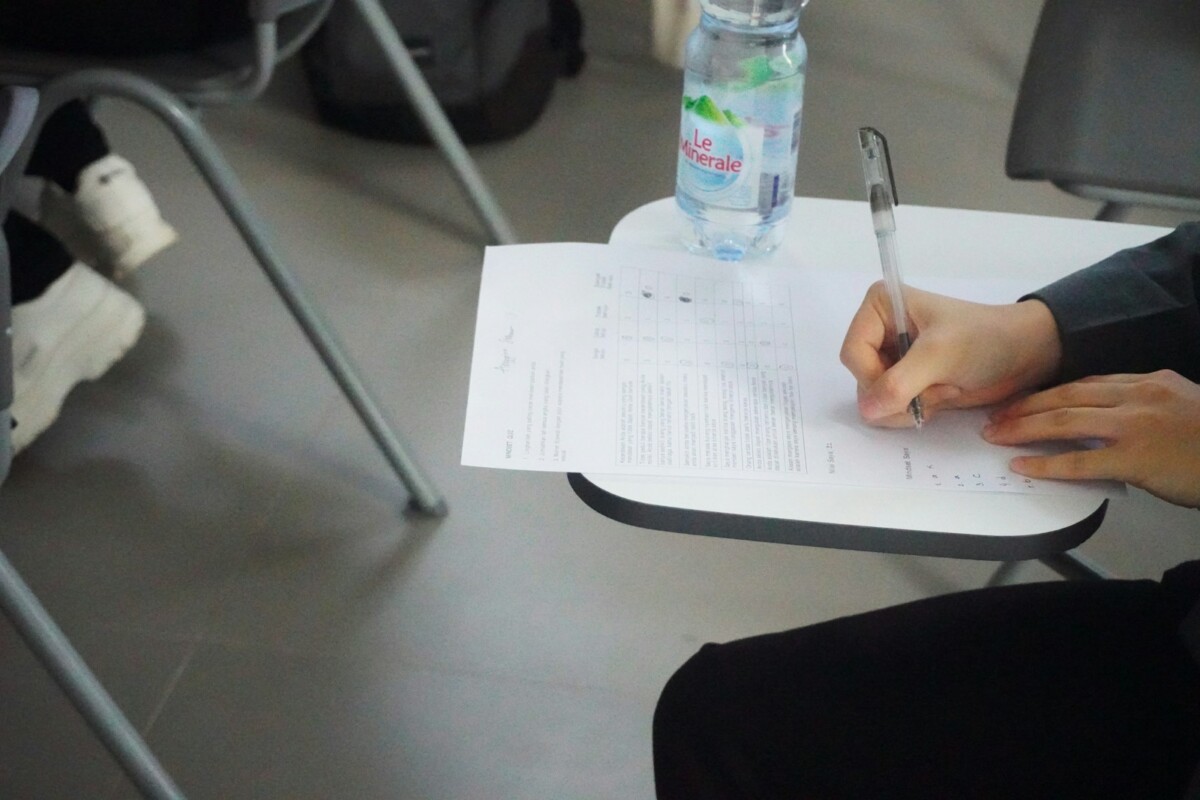
Home-educated children can take GCSEs through a flexible and well-planned process that allows them to gain nationally recognised qualifications without attending school. The first step is choosing the subjects to study, taking into account future goals, strengths, and GCSE requirements for further education. Many home-educated students follow GCSE specifications from exam boards such as AQA, Edexcel, or OCR, using textbooks, online courses, tutors, or structured study plans to prepare.
Since home-educated children are not enrolled in a school, they must register as private candidates. This involves finding an approved exam centre willing to accept private entries, which may be a local secondary school, college, or independent exam centre. Registration deadlines are usually several months before the exam period, so early planning is essential. Some subjects, such as science or art, may require practical assessments or coursework, so it is important to confirm that the chosen centre can support these components.
Throughout preparation, regular practice with past papers helps students become familiar with exam formats and time management. Many families also seek support from tutors or home-education groups for guidance and motivation. With careful organisation and commitment, home-educated children can successfully take GCSEs and progress confidently to further education or employment.
Socially, home-educated children often benefit from more varied and meaningful interactions. Instead of being limited to same-age peer groups, they regularly engage with people of different ages and backgrounds through community groups, sports teams, volunteering, and extracurricular activities. These experiences can foster strong communication skills, confidence, and maturity. Many home-educated children learn to interact comfortably with adults as well as peers, preparing them effectively for real-world social environments.
Home education also supports emotional well-being and personal growth. Learning in a safe and encouraging environment can reduce stress, bullying, and anxiety, which are common challenges in traditional schools. Children are often encouraged to take responsibility for their learning, manage their time, and follow their passions. This autonomy helps build self-discipline, resilience, and intrinsic motivation—qualities strongly linked to long-term success.
In adulthood, many home-educated individuals transition successfully into higher education, careers, and entrepreneurship. They often show strong self-direction, adaptability, and problem-solving skills, which are highly valued in modern society. Universities and employers increasingly recognize that success is not defined by a single educational pathway but by the skills and mindset individuals bring with them.
In conclusion, the success of home-educated children lies in the flexibility, personalization, and supportive environment that home education provides. By focusing on the individual child’s needs and strengths, home education can help develop academic achievement, social competence, and personal confidence, proving it to be a highly effective and successful approach to learning.