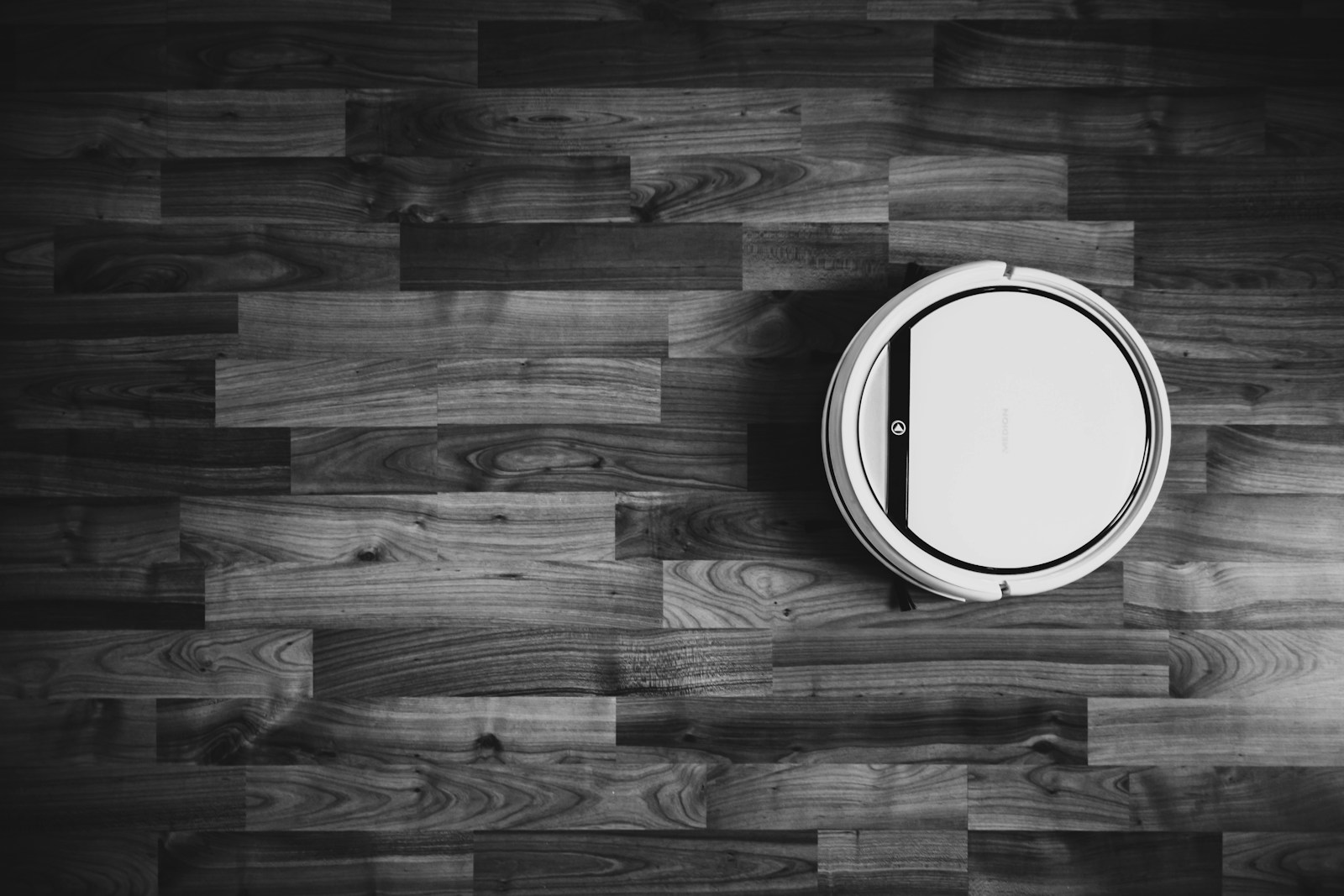
The Future of Floor Care: Robotics and Scrubber Dryer Technology for Schools
Maintaining clean and safe environments in schools is more important than ever. As educational institutions strive to provide healthy spaces for students and staff, the integration of robotics in floor care technology is revolutionising how schools manage cleanliness and hygiene. In 2025, robotic scrubber dryers are transforming school maintenance, making floor cleaning smarter, safer, and more efficient. Clemas supply a wide range of scrubber dryers including the new and innovative Motorscrubber DRYFT Cleaning Machine.
Why Robotic Scrubber Dryers Make Sense for Schools
Traditional floor cleaning in schools typically involves manual operation of scrubber dryers or mop-and-bucket methods, which can be labour-intensive, time-consuming, and sometimes inconsistent. Robotic scrubber dryers automate this process, navigating hallways, classrooms, cafeterias, and gymnasiums independently with precision and consistency.
Equipped with sensors and navigation technology such as LIDAR and infrared, these robots can map school layouts and avoid obstacles like desks, chairs, and students, even during busy school hours or after-hours cleaning shifts.
This autonomy means school janitorial teams can focus on other critical maintenance tasks, improving overall productivity while ensuring floors are cleaned to the highest standards.
Enhancing Safety and Health Standards
School environments demand rigorous hygiene to reduce the spread of germs and illness among students and staff. Robotic scrubber dryers provide consistent, thorough cleaning that meets or exceeds health guidelines, reducing the risk of infection transmission.
Their ability to operate quietly and unobtrusively during school hours or at night minimises disruption to classes and activities. Some models include UV-C light disinfection or antimicrobial technologies, adding an extra layer of protection in high-touch areas.
Connected Cleaning for Smarter Facility Management
Some modern scrubber dryers even connect to Internet of Things (IoT) platforms, enabling school facility managers to monitor cleaning activities in real-time through centralised dashboards. This visibility helps schools plan cleaning schedules around events, respond swiftly to spills or accidents, and manage machine maintenance proactively.
Data collected can support compliance reporting, helping schools demonstrate adherence to safety and sanitation standards to parents, staff, and regulatory bodies.
Supporting Sustainability Goals in Education
Environmental stewardship is a growing priority for many schools, and robotic scrubber dryers align perfectly with these goals.
Automated systems reduce water consumption through efficient cleaning cycles and water recycling features. Battery-powered models reduce noise and eliminate emissions associated with gasoline or corded electric machines, making them ideal for indoor use.
By conserving resources and lowering energy consumption, these smart cleaning solutions help schools meet sustainability targets while saving money on utilities and cleaning supplies.
Overcoming Implementation Challenges
While robotic scrubber dryers offer many benefits, schools may face hurdles when adopting new technology, including initial costs and training needs.
However, many school districts find that labour savings and improved cleaning quality justify the investment. Grants and government programs focused on healthy school environments and energy efficiency can also help offset upfront expenses.
Engaging custodial staff early in the process and providing thorough training ensures smooth adoption and maximises the machines’ effectiveness.
Looking to the Future
The future of floor care in schools is smart, automated, and sustainable. Robotics are helping educational facilities maintain cleaner, safer spaces while optimising operational efficiency and controlling costs.
By embracing these innovations, schools can better protect the health of their communities and support a positive learning environment, without adding strain to their maintenance teams.