Universities to Train Researchers Through New Agrifood Antimicrobial Resistance Programme
A funded research programme will bring universities, farmers, vets and policymakers together to tackle antimicrobial resistance while training a new generation of early-career researchers.
The Antimicrobial Resistance in Agrifood Systems Transdisciplinary Network, known as AMAST, will spend the next five years developing and testing practical approaches to responsible antibiotic use in UK farming and food production.
The network is one of 18 research and innovation projects receiving a share of a £54 million investment from UK government partners and UK Research and Innovation (UKRI).
Established in 2024, AMAST has brought together more than 250 members across academia, agriculture, veterinary practice, industry and government. Its work combines research expertise with the experience of people managing animal health and antimicrobial use in daily practice.
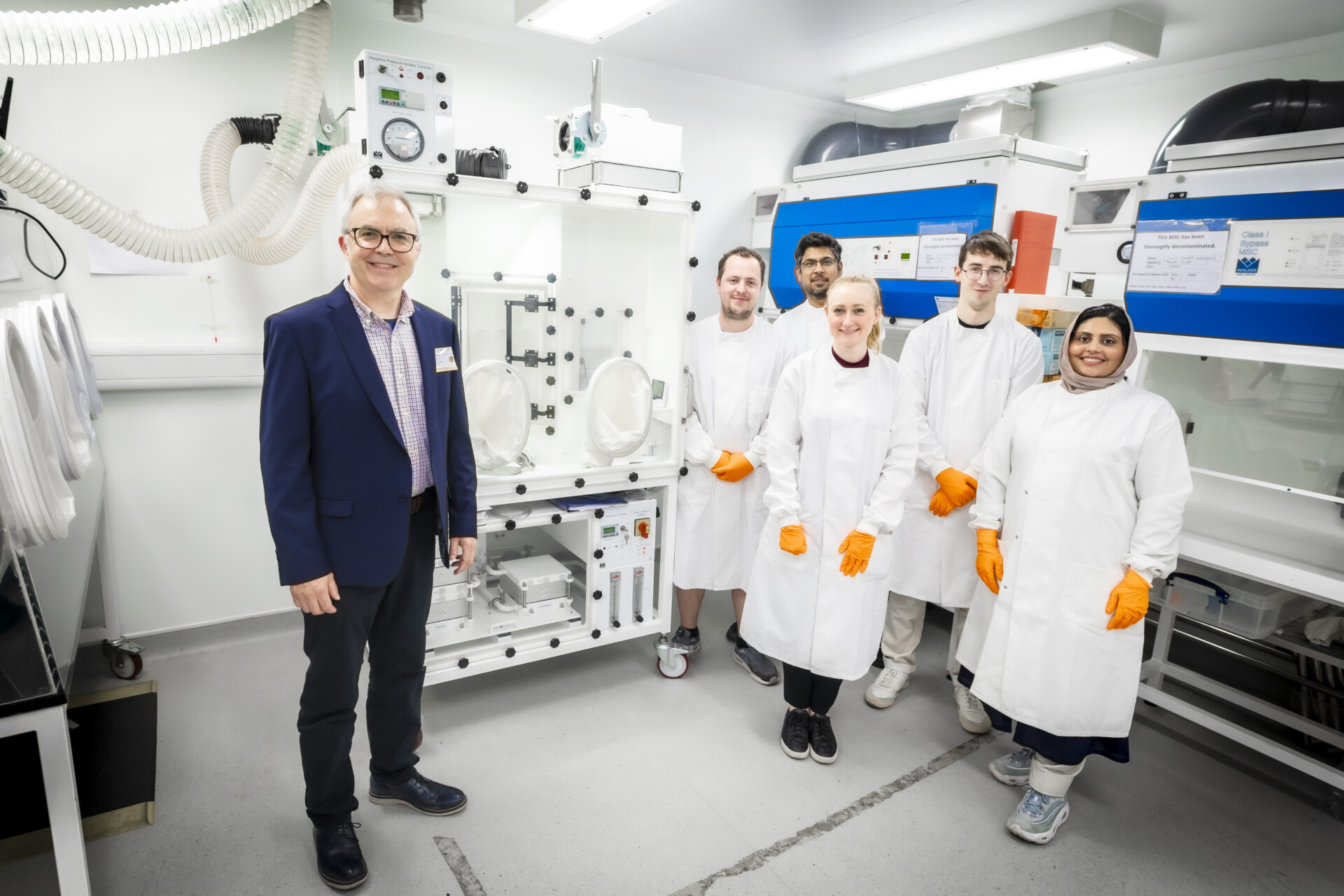
University of Leicester researcher Dr John Pearl, from the Department of Respiratory Sciences, is contributing to a clearer understanding of complex avian diseases requiring antimicrobial treatment.
His work is informed by research into chronic pulmonary diseases, including tuberculosis and non-tuberculous mycobacterial pulmonary disease, caused by related species of bacteria.
Dr Pearl said: “Combatting antimicrobial resistance requires vigilance across both clinical practice and in our nation’s agricultural food chain. The potential impact of antimicrobial resistance, however, extends into our wild spaces and throughout our environment. Because of this, the work we do with AMAST is essential and I’m privileged to be able to contribute.”
The programme’s university partnerships will support research across three main areas: persistent disease challenges in pig farming, antibiotic stewardship in sheep and cattle, and approaches applicable across the wider agrifood sector.
The Royal Veterinary College, Royal Holloway University of London and the Royal Agricultural University will lead work to implement the UK Ruminant Antibiotic Stewardship Roadmap.
Working with farmers and veterinarians, researchers will co-design trusted methods for collecting and using antimicrobial data. The aim is to help producers understand antibiotic use, benchmark progress and make informed stewardship decisions.
Environmental research will run across the programme, including work on antimicrobial residues in manure, soil and water. An international expert panel will support the sharing of UK findings globally.
AMAST is led by Dr Matthew Gilmour at the Quadram Institute, with co-directors Dr Marie McIntyre and Professor Alex Hughes at Newcastle University.
The wider funding package adopts an approach recognising the connections between human, animal and environmental health, with researchers working across disciplines and alongside international partners.
Professor Anne Ferguson-Smith, UKRI Executive Champion for Tackling Infections and BBSRC Executive Chair, said: “This investment reflects UKRI’s central role in delivering government priorities and our long-standing commitment to convening and working with partners across government to fund vital One Health research into human, animal, and plant health.
“By pooling expertise from across the research and innovation ecosystem in the UK and globally, we can tackle related infectious disease challenges in a more coordinated way to get ahead of emerging biological threats and help protect people, animals, plants and the environment, both in the UK and internationally. Ultimately, it will advance knowledge, improve lives, and drive growth.”
Further information: AMAST Network