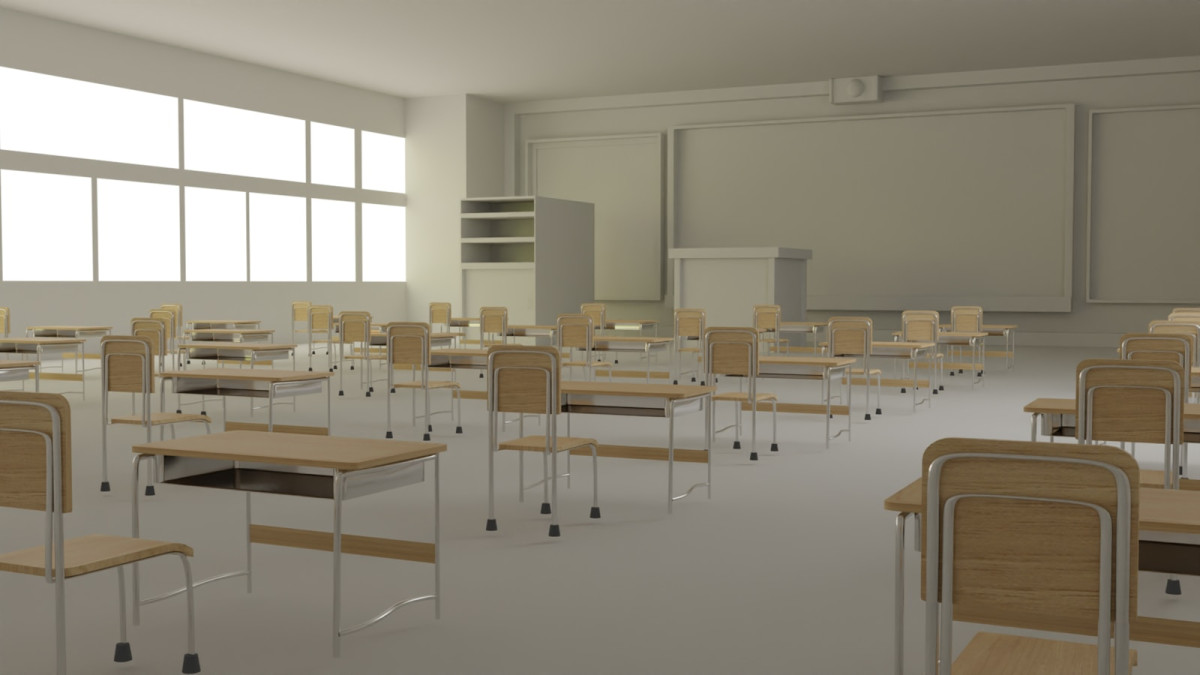
Wooden wall panels: Transforming educational spaces with natural design
The atmosphere within a classroom or educational facility plays a significant role in shaping both student engagement and learning outcomes. Over the past decade, architects and school administrators have increasingly embraced innovative approaches to classroom design, focusing not just on furniture and layout, but also on the materials used within these spaces. Among the materials gaining widespread popularity, wooden wall panels have emerged as a sophisticated and practical solution for enhancing both the aesthetic appeal and functionality of learning environments.
The rise of natural materials in education
Modern educational institutions are moving away from sterile, uninspired interiors. Instead, they prioritize natural elements that encourage creativity, concentration, and a sense of well-being among students and staff. Studies consistently highlight the positive impact of biophilic design, which incorporates aspects of the natural world into built environments. Wood, as a warm and tactile material, is uniquely suited to this purpose.
Wooden wall panels offer unique visual interest, texture, and warmth, setting them apart from traditional painted drywall or synthetic alternatives. Their ability to create inviting spaces benefits more than just aesthetics. These panels also help regulate indoor acoustics, reducing unwanted noise and fostering a calm, focused atmosphere.
Enhancing acoustics and concentration
One of the most persistent challenges in educational settings is managing sound. Reverberation and echo can make it difficult for students to hear their teachers clearly, undermining the learning process and leading to frustration. Installing wooden wall panels can address these issues effectively.
Because wood naturally absorbs and diffuses sound, using these panels helps to minimize distractions caused by background noise. This is particularly valuable in large lecture halls, libraries, and open-plan classrooms where multiple groups may be working simultaneously. Improved acoustics translate directly into clearer communication, better comprehension, and increased engagement among students.
Sustainability and well-being
Sustainability continues to be a priority for educational institutions, both from an environmental and a health perspective. Wooden wall panels, when sourced responsibly, align with green building standards and contribute to a healthier indoor environment. Unlike some manufactured materials, wood does not emit harmful chemicals and can even help regulate humidity levels, which is important for comfort and respiratory health.
Psychological studies underscore the calming effect of natural wood surfaces. The subtle variations in grain and tone provide a visual connection to nature, which can reduce stress and promote well-being. In educational settings where students may experience high levels of anxiety or pressure, these benefits are especially valuable.
Customization and creative expression
Wooden wall panels are not limited to a single look. Their versatility allows designers and educators to customize spaces according to specific needs and creative visions. Panels can be arranged in geometric patterns, stained in various shades, or even integrated with functional elements like whiteboards, shelving, or interactive displays.
This flexibility enables schools to create inspiring environments tailored to different subjects or age groups. For example, a science lab might feature clean-lined panels with integrated lighting, while an art classroom could incorporate bold patterns or colorful finishes. The ability to personalize each space fosters a sense of ownership among students and staff, encouraging them to take pride in their surroundings.
Practical considerations for installation
Introducing wooden wall panels into existing buildings or new constructions requires careful planning. Schools must consider factors such as fire safety, ease of cleaning, and long-term durability. Fortunately, advancements in manufacturing have produced panels that are both fire-retardant and resistant to everyday wear and tear.
For maintenance, most modern panels are designed to be easily wiped clean, making them suitable even in high-traffic corridors or cafeterias. Installation can often be completed with minimal disruption to regular school activities, particularly when undertaken during holiday periods or scheduled renovations.
Looking ahead: Beyond classrooms
The benefits of wooden wall panels extend beyond classrooms. Libraries, administrative offices, and even auditoriums can all be enhanced through their thoughtful application. Creating a cohesive visual identity throughout a campus supports a sense of community and belonging. As educators continue to explore new ways to foster collaboration, creativity, and well-being, adapting the built environment remains an essential strategy.
Incorporating wooden wall panels into educational spaces offers more than just visual appeal—it supports learning, wellness, and sustainability in meaningful ways. By choosing quality materials and thoughtful design, schools can create environments where students and teachers alike are inspired to reach their full potential.